
Planning a coastal getaway involves much more than simply picking a destination and booking a flight. A truly restoring beach trip requires balancing activity schedules with downtime, understanding local weather patterns, choosing the right accommodation layout, and preparing for coastal environmental conditions. Without proper planning, a vacation intended for relaxation can easily turn into a chaotic sequence of rushed itineraries, hidden expenses, and physical burnout.
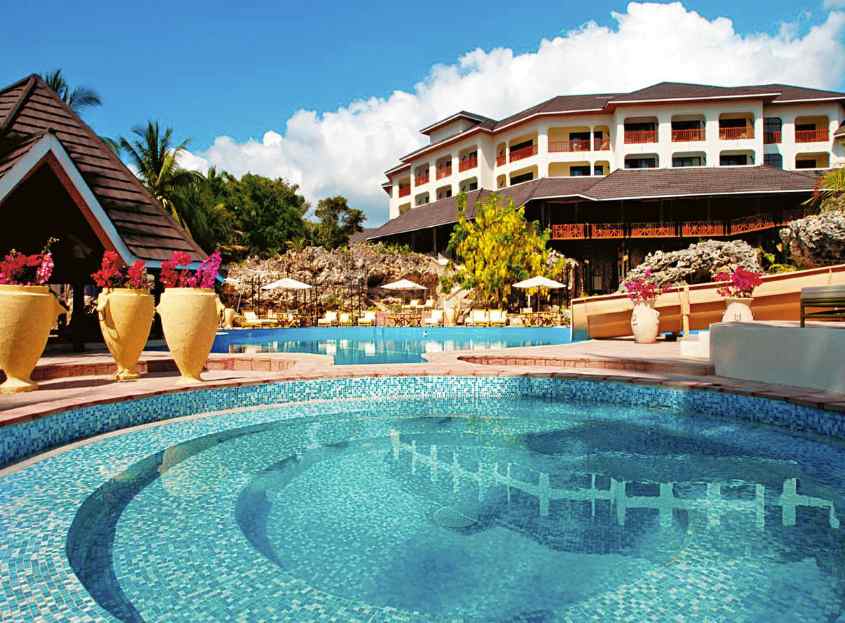
Structuring an itinerary that accounts for both leisure and recreation requires evaluating how property features, location, and daily logistics work together. When reviewing accommodation styles and property layouts for coastal stays, analyzing feature sets from established properties like the resort amenities at The Reef Beach Resort illustrates how integrated facilities—such as direct beach access, multiple dining options, and on-site activity centers—help eliminate daily travel logistics so travelers can focus on rest. By mastering the fundamentals of trip planning, you can design a coastal vacation that offers true relaxation without unnecessary stress.
Setting Clear Objectives and Choosing the Right Travel Pace
Before looking at specific destinations or activities, define the primary purpose of your trip. Understanding what you want to achieve helps prevent over-scheduling and ensures all travel companions share realistic expectations.
Common Travel Styles and Paces
- Rest and Restoration: Prioritizes minimal schedule commitments, ample time by the water, quiet reading hours, and unhurried dining.
- Active Exploration: Focuses on outdoor sports, water activities, hiking coastal trails, and exploring nearby town centers.
- Cultural and Eco-Tourism: Emphasizes local wildlife encounters, historical site visits, community events, and region-specific cuisine.
- Balanced Hybrid: Combines structured morning activities with completely open afternoons, offering a healthy balance between adventure and downtime.
[ Active Morning ] ──► [ Open Afternoon ] ──► [ Unhurried Evening ]
(Water Sports) (Beach Resting) (Local Dining)
Evaluating Property Features and On-Site Amenities
Where you stay serves as your operational base throughout the trip. Choosing a property with features that match your daily routine reduces travel friction and unnecessary commuting.
Direct Coastal Access
Having immediate walking access to the shore eliminates the need to load vehicles, search for public beach parking, or carry heavy gear over long distances. It also allows flexible movement between your room and the water throughout the day.
On-Site Dining Options
Properties featuring casual cafes, full-service restaurants, or room service provide convenient meal solutions when you want to avoid driving into town after a long day in the sun.
Recreational Equipment Rentals
Having access to kayaks, paddleboards, snorkel gear, and bicycles directly on site saves time compared to sourcing equipment from off-site rental shops.
How to Pack Efficiently for Coastal Environments
Packing for a coastal vacation requires preparing for high sun exposure, shifting marine weather, and varying humidity levels. Following a structured packing system ensures you carry necessary essentials without overpacking.
+—————————————————————–+
| COASTAL PACKING ESSENTIALS |
| |
| Sun & Skin Protection Clothing & Footwear |
| ——————— ——————- |
| Mineral Sunscreen (UPF 50+) Lightweight Breathable Fabrics |
| Polarized Sunglasses Waterproof Flip-Flops or Sandals |
| Wide-Brimmed Sun Hat Breathable Water Shoes |
| Hydration Water Bottle Light Windbreaker Jacket |
+—————————————————————–+
Essential Protective Gear
- Reef-Safe Mineral Sunscreen: Choose broad-spectrum formulas with zinc oxide or titanium dioxide to protect both your skin and delicate marine ecosystems.
- UV-Blocking Apparel: Lightweight, long-sleeved rash guards with UPF 50+ ratings offer reliable sun protection during extended water activities.
- Polarized Eyewear: Polarized lenses eliminate water glare, reducing eye strain and allowing clear underwater visibility while wading or boating.
Daytime vs. Evening Attire
Coastal climates often feature warm, humid daytime temperatures followed by cool ocean breezes after sunset. Pack breathable natural fabrics like linen and cotton for daytime wear, along with a light jacket or cardigan for evening walks along the shore.
Managing Daily Logistics and Sun Safety
Staying safe in high-UV, high-heat environments requires proactive health measures to avoid dehydration, sunburn, and heat exhaustion.
The Peak UV Window
Solar radiation reaches its highest intensity between 10:00 AM and 3:00 PM. Plan intensive outdoor activities—such as paddleboarding, kayaking, or beach volleyball—for early morning or late afternoon hours. Reserve midday hours for indoor dining, shade resting, or quiet indoor activities.
Hydration Strategies
Saltwater exposure, warm winds, and direct sunlight accelerate dehydration. Follow these simple steps to stay properly hydrated:
- Drink water consistently throughout the day rather than relying on feeling thirsty.
- Keep insulated water bottles filled and nearby at all times.
- Balance alcoholic or caffeinated beverages with equal amounts of plain water or electrolyte-rich drinks.
Building a Flexible Daily Itinerary
The key to a successful beach vacation is flexibility. Over-scheduling every hour creates stress, while having no plan at all can lead to wasted time.
The 50/50 Scheduling Rule
A reliable strategy for maintaining a relaxed pace is reserving 50% of your daylight hours for planned activities and leaving the remaining 50% completely open.
+——————————————————————-+
| SAMPLE FLEXIBLE DAILY SCHEDULE |
| |
| [ Morning Activity ] ──► [ Midday Shade / Lunch ] ──► [ Open Time ] |
| (08:00 – 11:00) (11:30 – 14:00) (14:30 – 18:00)|
+——————————————————————-+
- Morning (08:00 – 11:00): Engage in physical recreation, water sports, or sightseeing while temperatures remain cool.
- Midday (11:30 – 14:00): Seek shade, enjoy an unhurried lunch, and rest away from peak sun rays.
- Afternoon (14:30 – 18:00): Keep hours open for casual swimming, reading on the shore, or taking an afternoon stroll.
- Evening (18:30 Onward): Enjoy sunset views, local dining, and quiet relaxation.
Summary Checklist for Travel Preparation
- [ ] Define Travel Objectives: Agree on an overall pace with your travel companions before booking activities.
- [ ] Check Property Layouts: Confirm your accommodation offers the key amenities needed to minimize daily travel.
- [ ] Prepare Sun Protection: Pack broad-spectrum mineral sunscreen, UPF clothing, and polarized sunglasses.
- [ ] Follow the 50/50 Rule: Leave half of each day unscheduled to allow for natural relaxation and spontaneous exploration.
- [ ] Stay Hydrated: Carry insulated water bottles to maintain proper hydration levels in warm, humid weather.